Advanced Predictive Diagnostics
Python-facing port of
advanced-predictive-diagnostics.Rmdfrom the frozen R gp3bayes 0.5.0 reference. The statistical and governance framing below follows the canonical vignette; executable Python workflows use the mapped APIs listed later.
This article extends the prediction layer with diagnostics that remain descriptive rather than becoming automatic acceptance or rejection rules.
For a fitted model, posterior predictive discrepancy checks retain the entire replicated distribution:
Duration models additionally support predictive Q-Q and tail checks:
None of these diagnostics certifies adequacy automatically.
Python API mapping
gp3bayespy.binary_calibration_errorgp3bayespy.binary_confusion_tablegp3bayespy.binary_precision_recall_curvegp3bayespy.binary_roc_curvegp3bayespy.duration_qq_tablegp3bayespy.duration_tail_checkgp3bayespy.plot_binary_precision_recallgp3bayespy.plot_binary_rocgp3bayespy.plot_duration_qqgp3bayespy.plot_duration_tailgp3bayespy.plot_ppc_statisticgp3bayespy.posterior_predictive_statisticgp3bayespy.ppc_statistic_tablegp3bayespy.predict_model
Python usage
import gp3bayespy as gp

# All functions listed above are available from the package root.
# Use help(gp.<function>) or the API reference for the exact Python signature.
An executable workflow for this family is included in ../../examples/predictive_diagnostics.py.
Visual companion
These figures complement the canonical ported narrative and are generated from package functions.
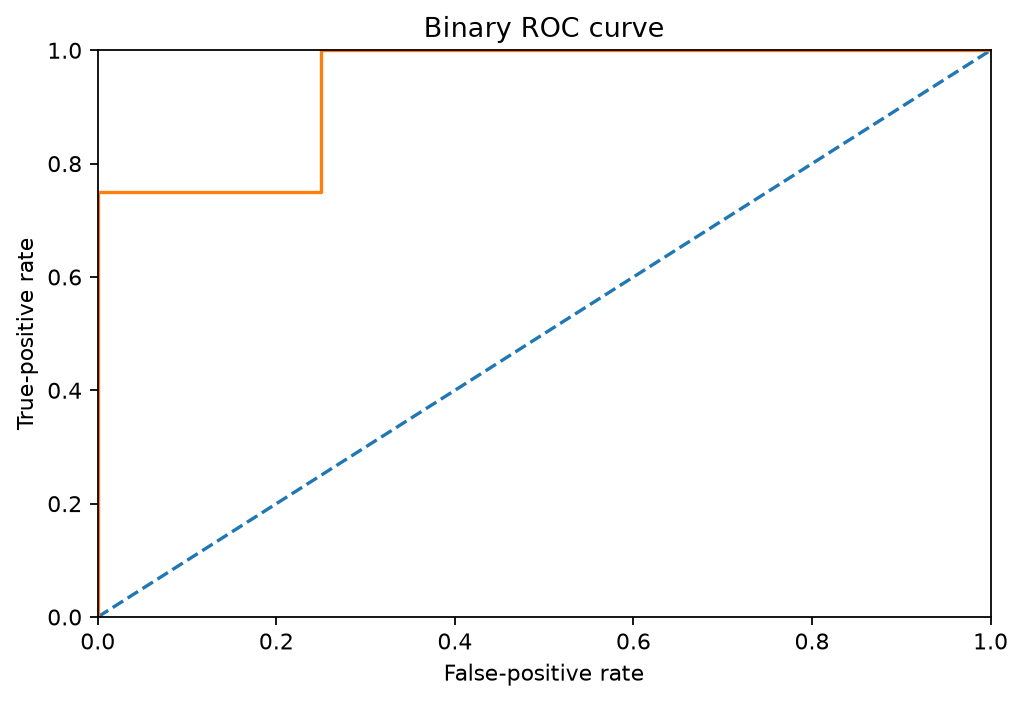
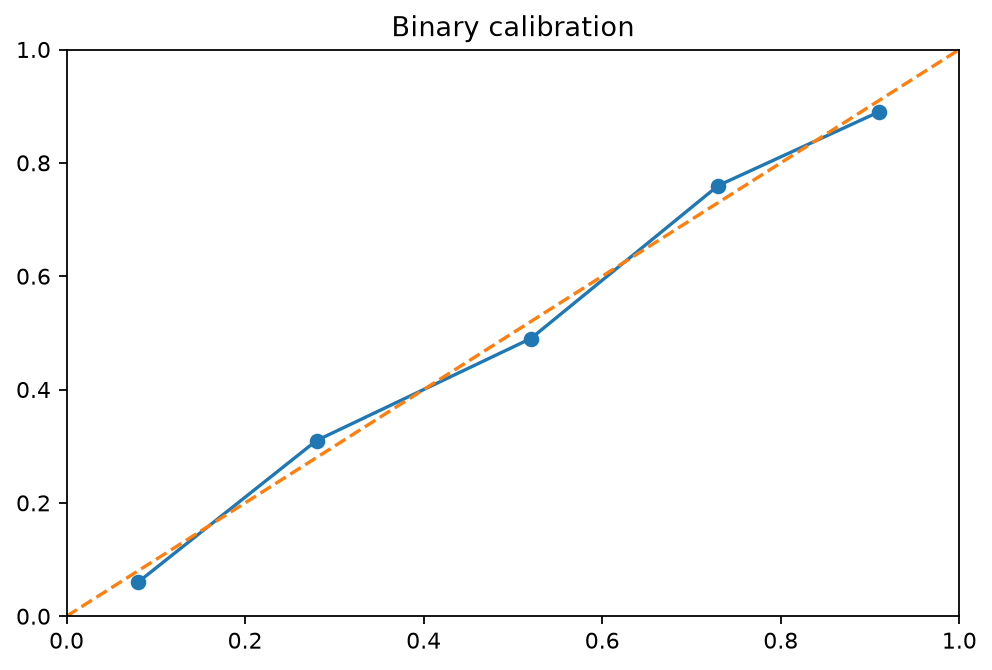
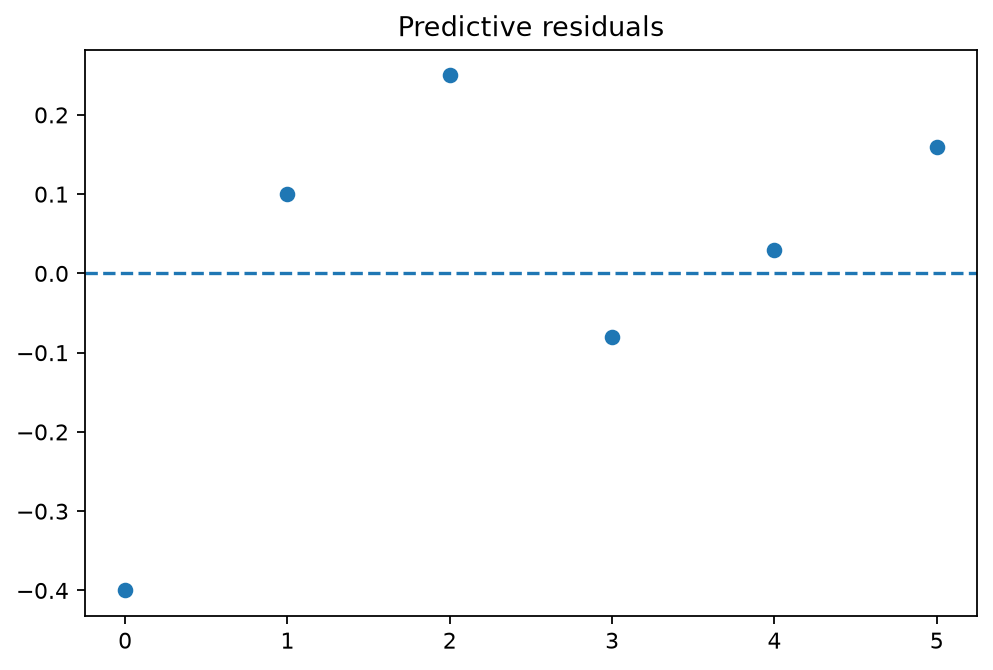
The figures remain descriptive evidence and do not create automatic inferential decisions.